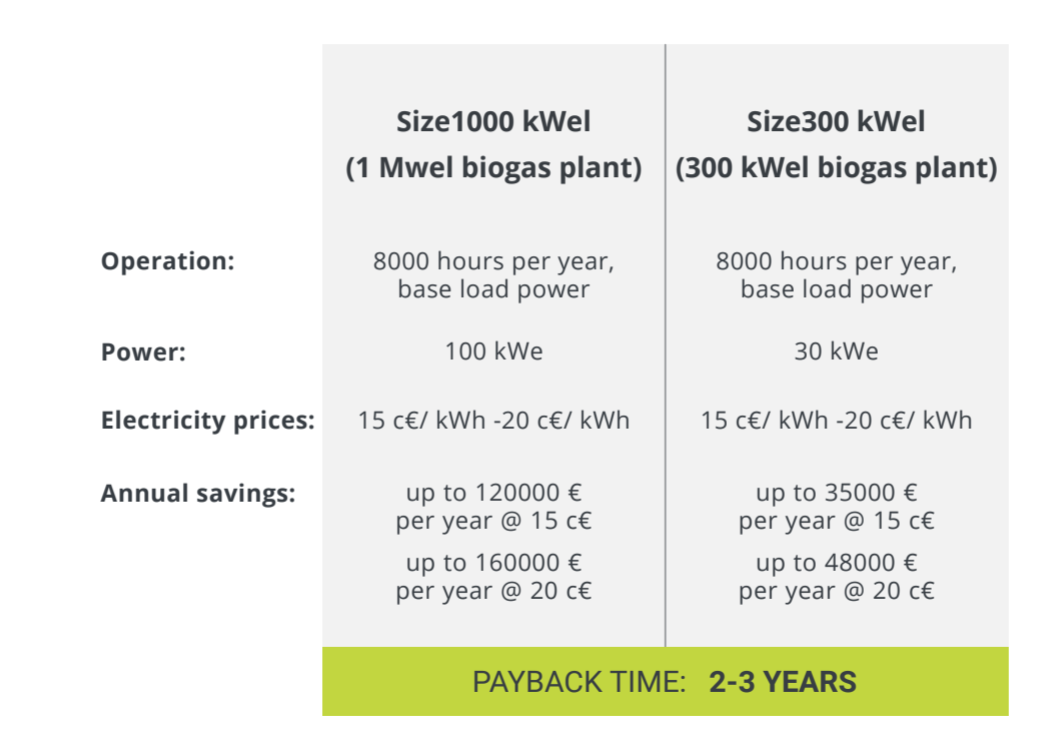
Saves Calculator
How itWorks
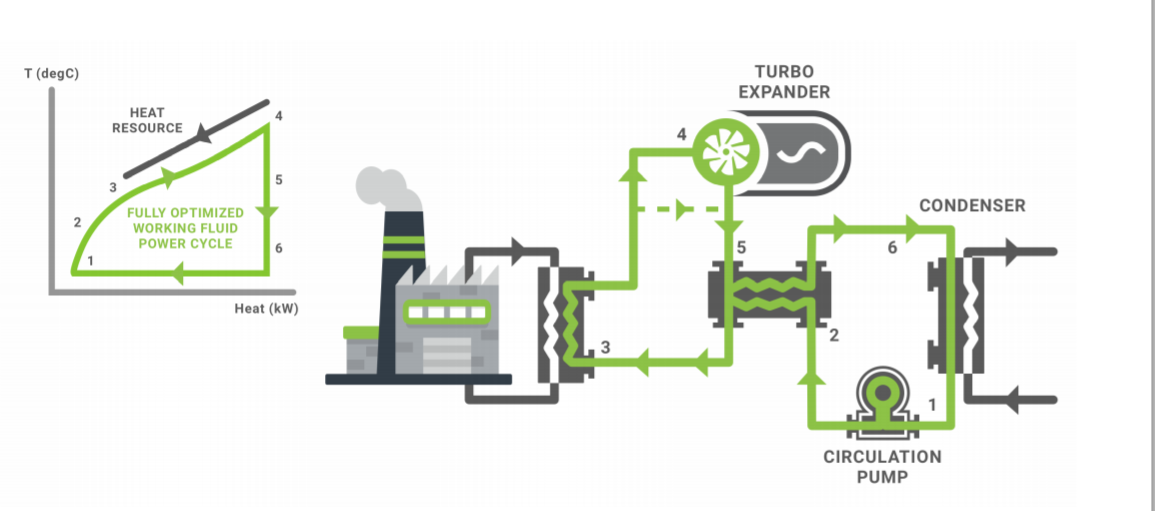
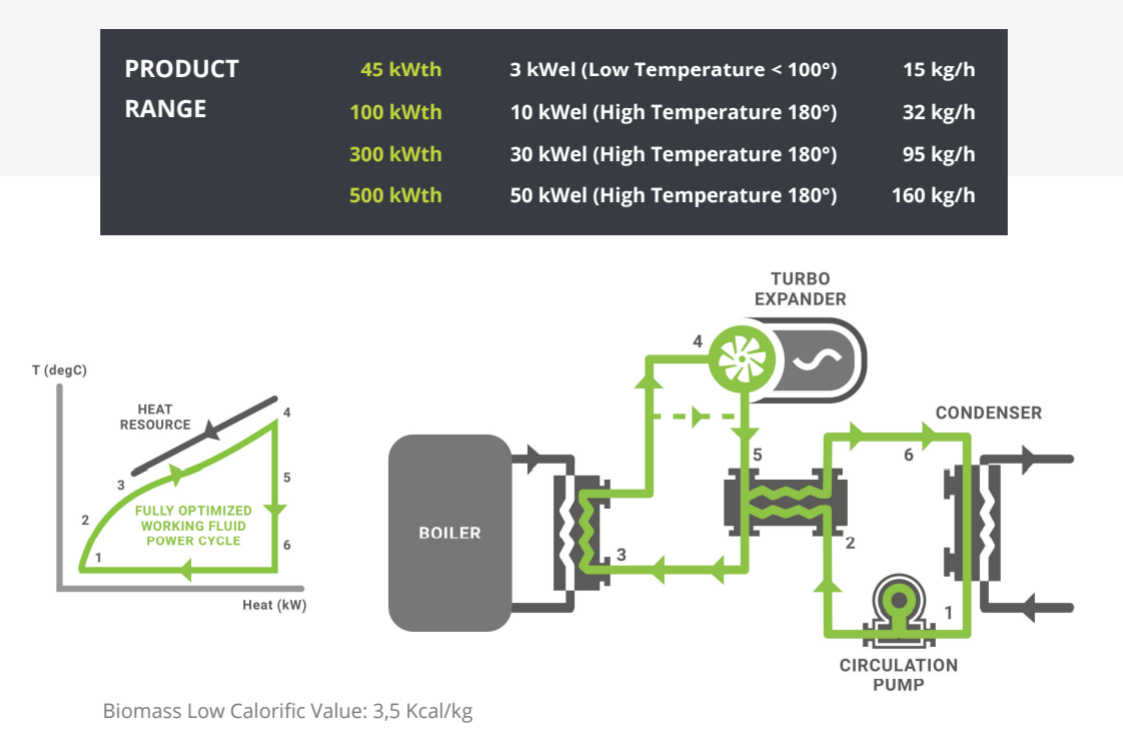
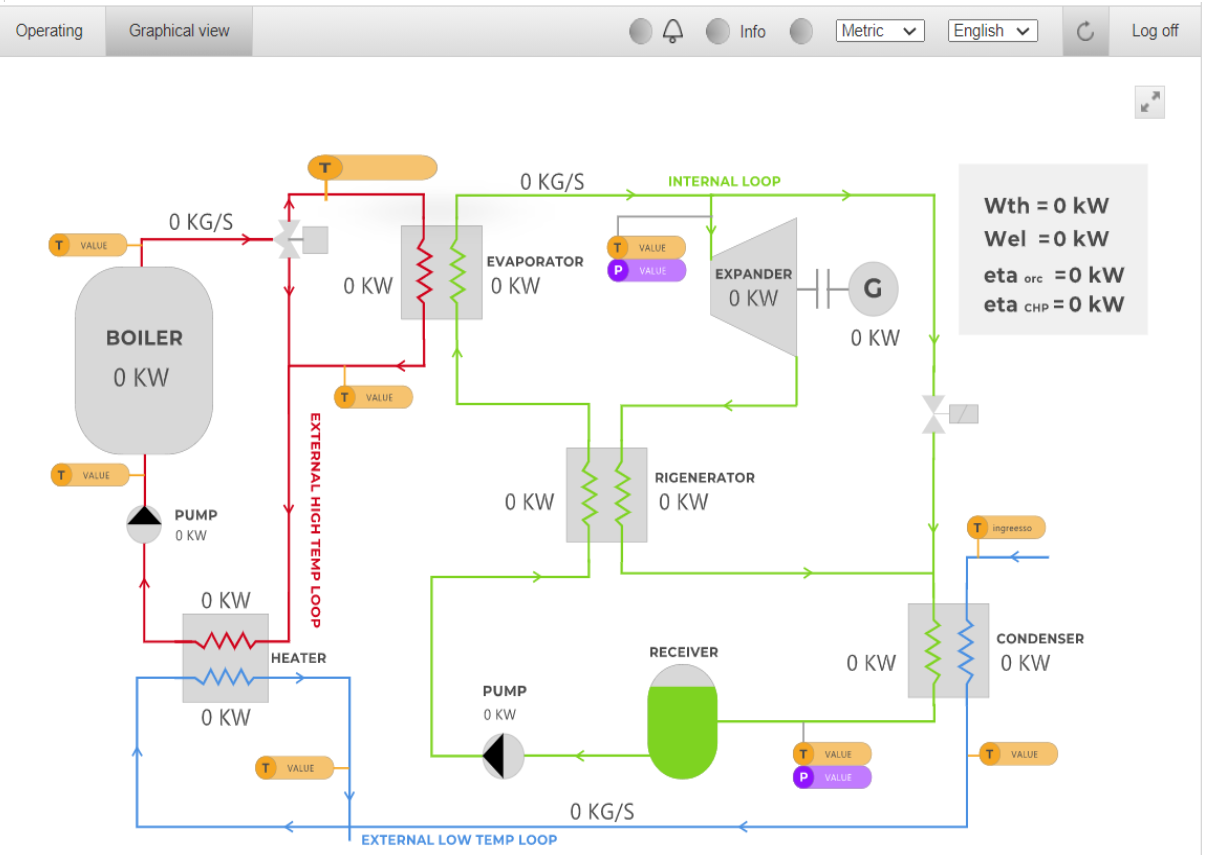
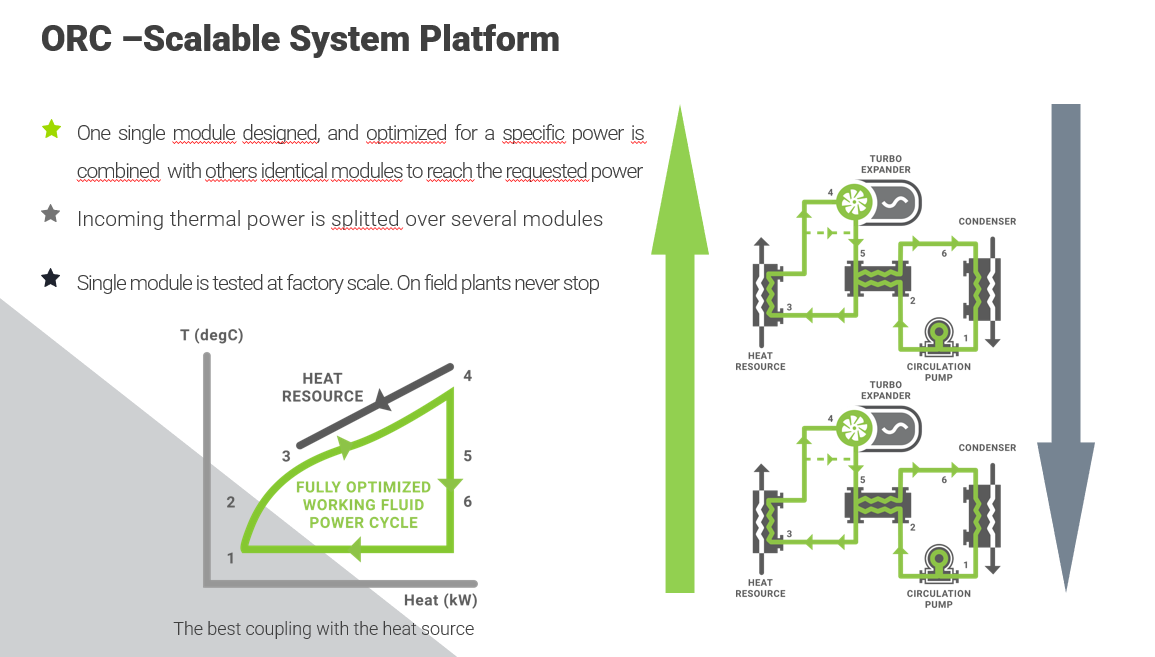
Rankine Cycle
Check the latest news about our innovative business activity
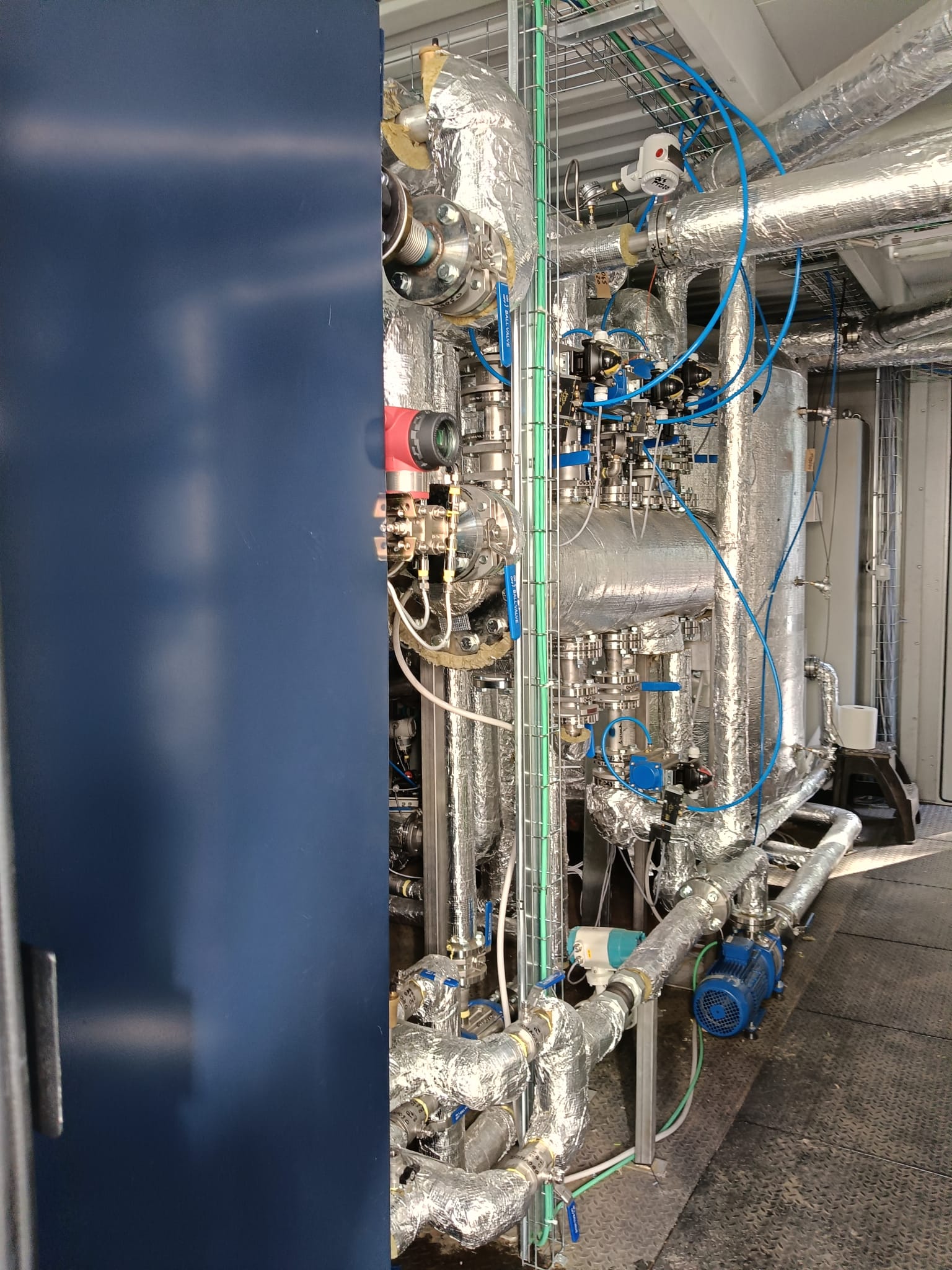
Avviato il primo impianto con tecnologia RHTHP presso il centro di ricerca Sotacarbo a Carbonia
New Website
The world's first catalog of ORC models with their applications is realised
Feasibility study for a district heating network in Pinerolo (To)
The operational headquarters moved to Cerea near Verona in order to have more space for assembly and testing
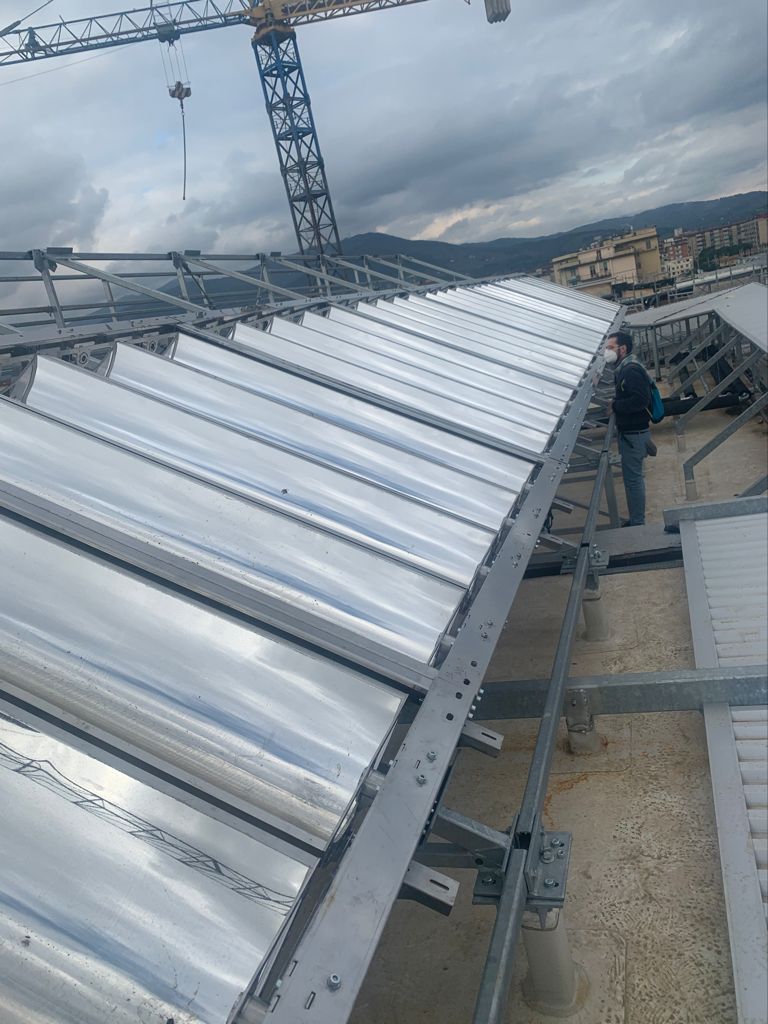
ORChidea 5MT model is integrated with an innovative PTC solar filds on the roof of a flat in Florence
The platform for single-phase applications has been released. From today Kaymacor systems can also be connected to single-phase networks. As required by law, the maximum power that can be connected to a single-phase network is 6 kW
kaymacor ORChidea at Olokliromeno Kentro Anakiklosis Sa - Industrial Area of Patras - Greece
Kaymacor ORC at National Research Institute of Astronomy -Cairo - Egypt and Geophysics (NRIAG)
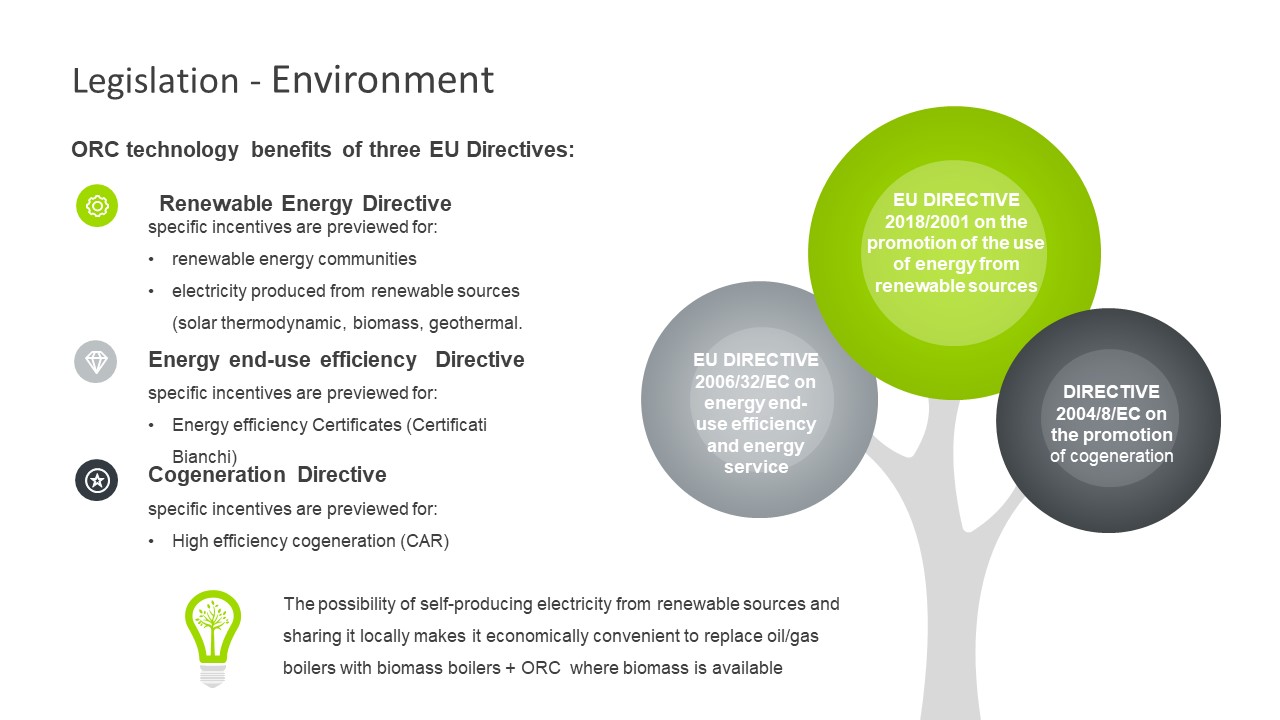
The development of renewable communities as required by European Directives, recently implemented by European Countries such as Italy, can benefit from Kaymacor technology
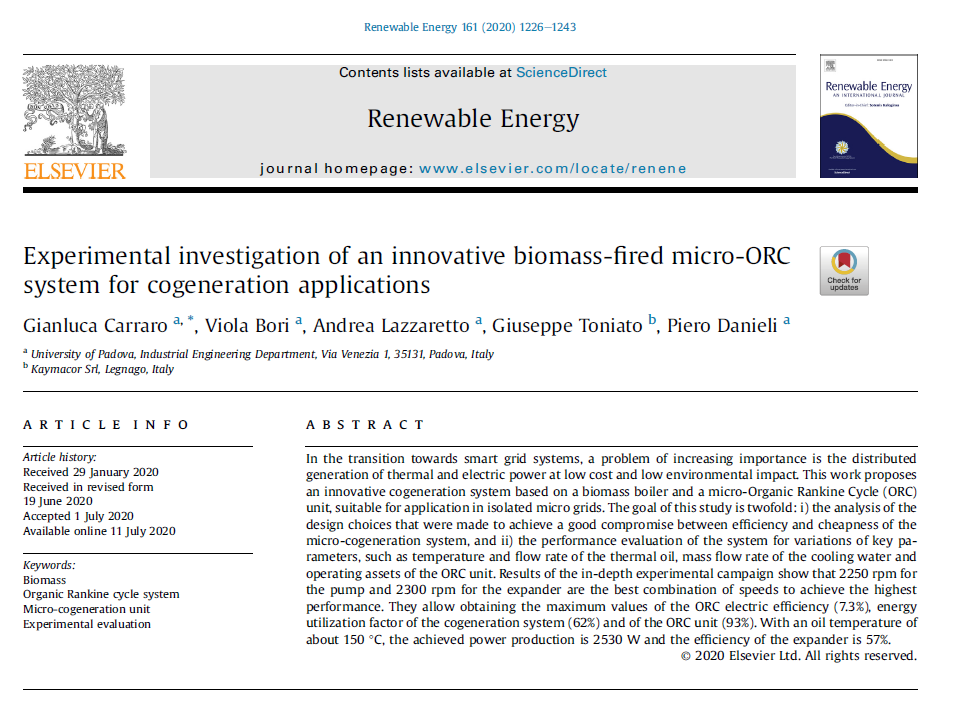
Experimental investigation of a innovative biomass-fired micro-ORC system for cogeneration applications
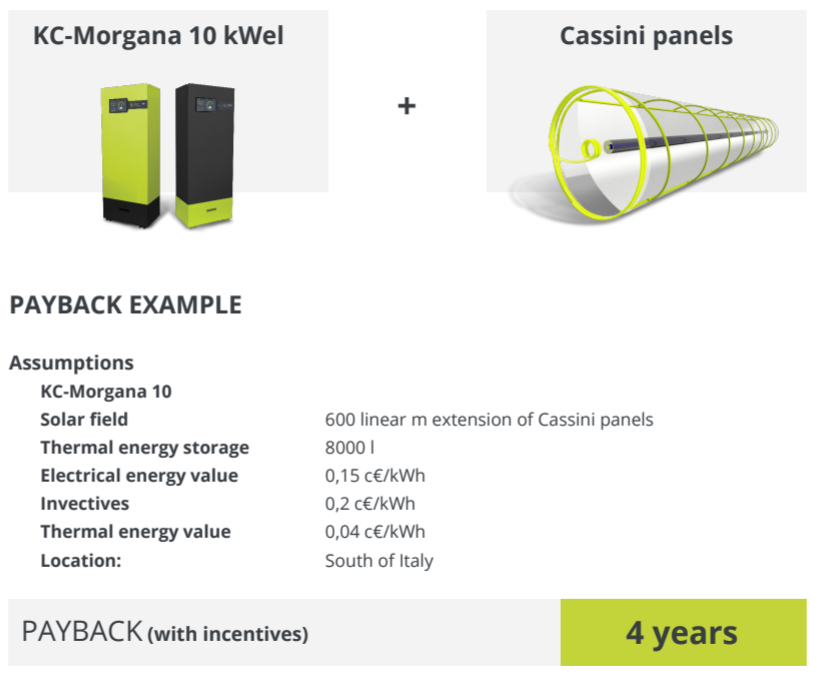
Kaymacor provides a perfect solution for exploiting thermal solar energy
As part of the CM2K-TRIGEN project, an innovative 15kWel ORC plant is built
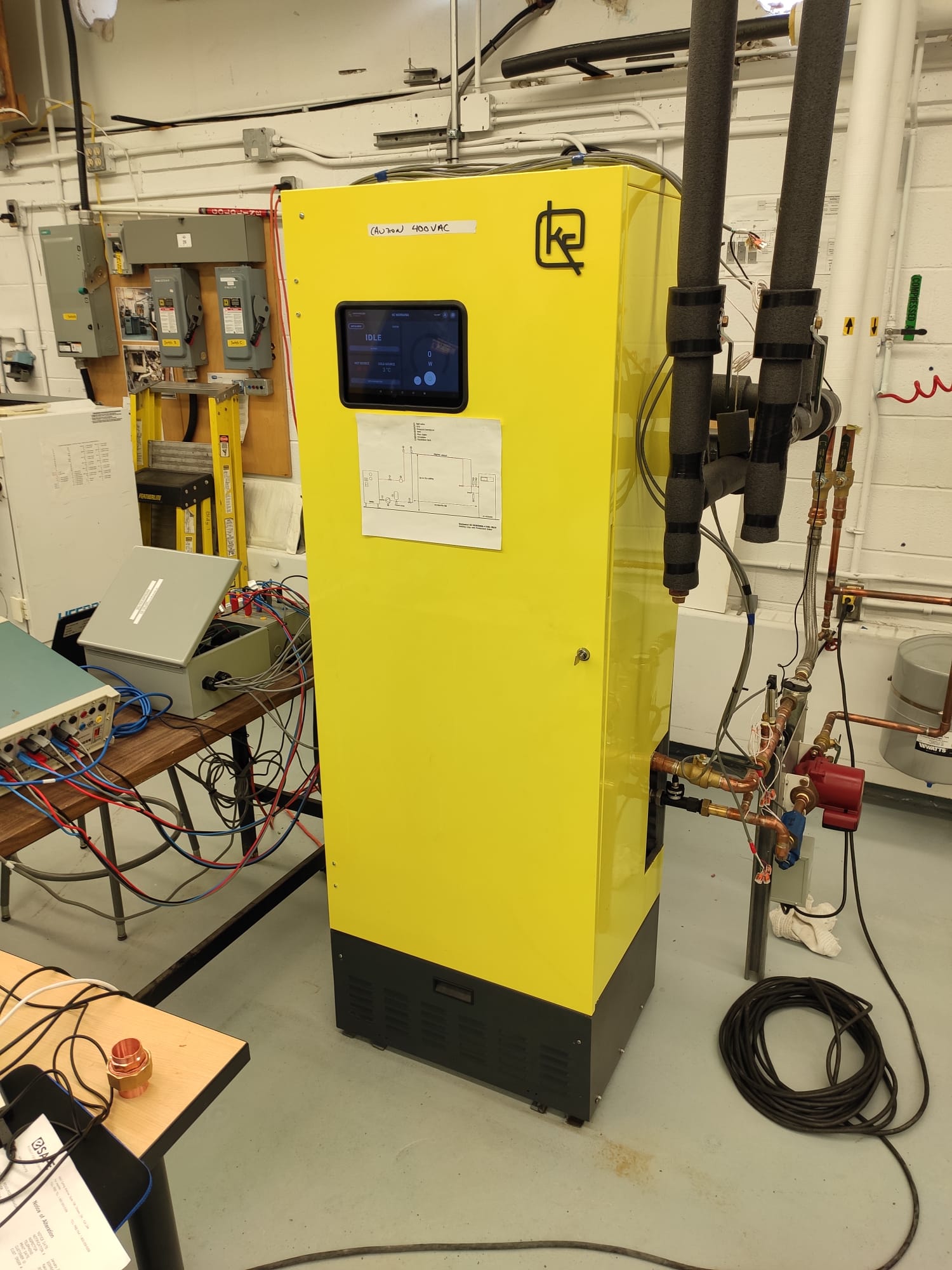
Commissioning of the 5KW Unit in Canada at Alternative Energy Laboratory | CanmetENERGY
Kaymacor Heat Recovery is a perfect solution to improve industrial ovens & furnaces efficiency
Biogas & Biomethane Plus produces electricity recovering heat from exhaust gases and the engine cooling water
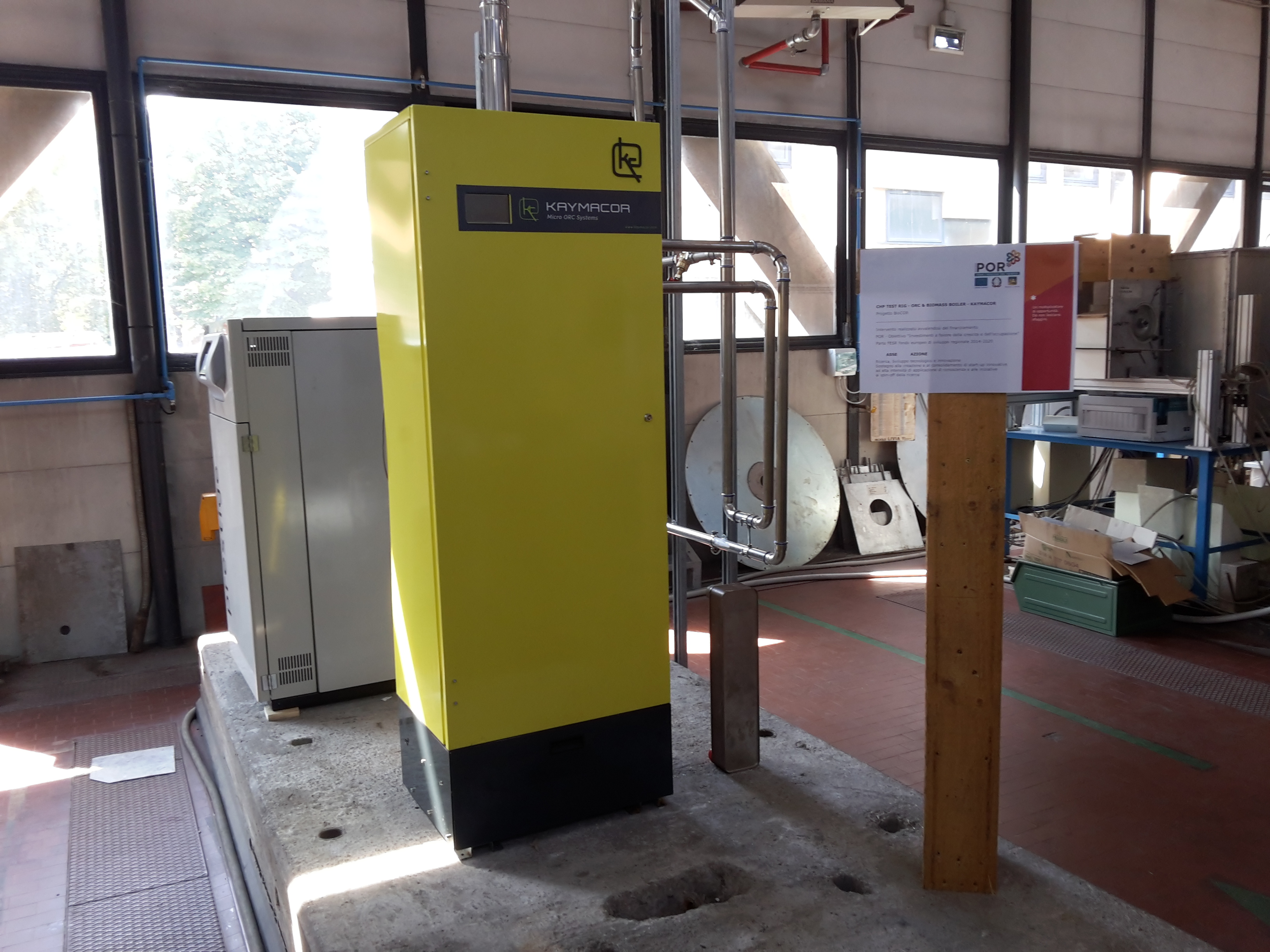
BioCOR is Cogenerative Solution for agroforestry and agro-industrial biomasses designed for the simultaneous production of heat and electricity or just heat.
ORChidea is integrated in Biogenic Processor
Contribution: "A Novel Micro-cogeneration Unit for Market Applications Based on a Biomass-fired ORC System
A 5kW High temperature (190°) Model is shipped to the Alternative Energy Laboratory | CanmetENERGY – Ottawa Natural Resources Canada
A 6 kW Low Temperature (90°) is tested in lab for a small geothermal application in Naples
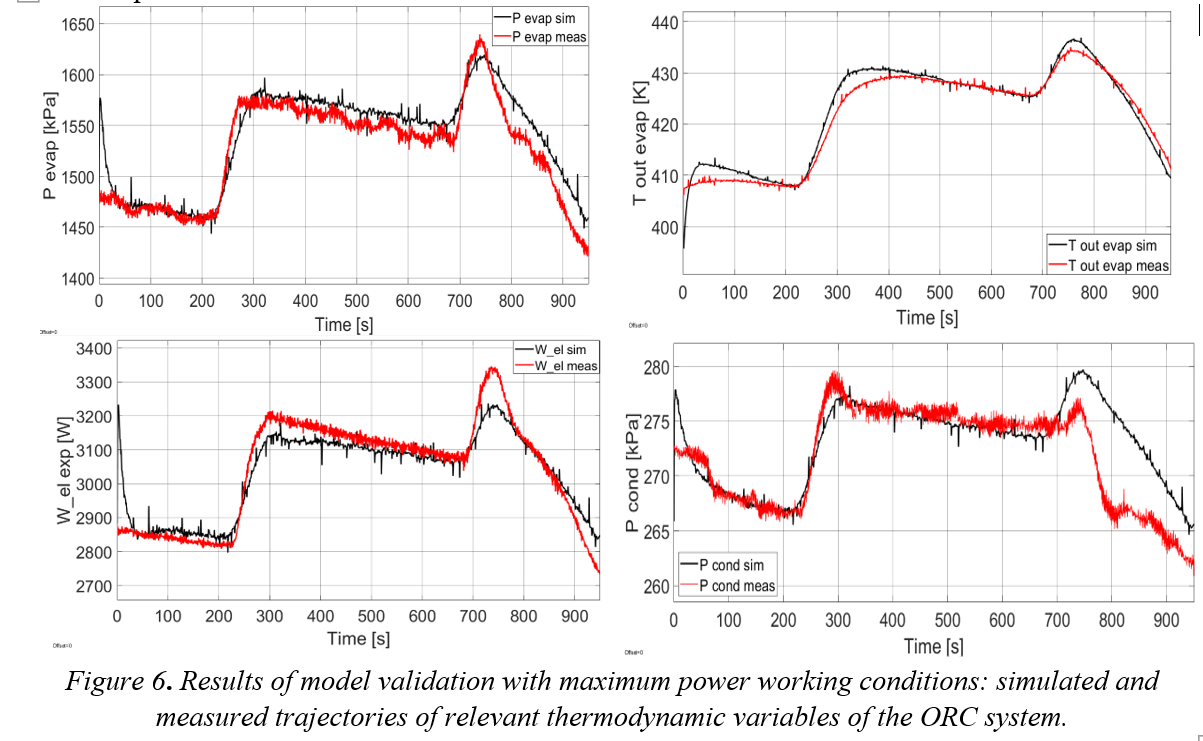
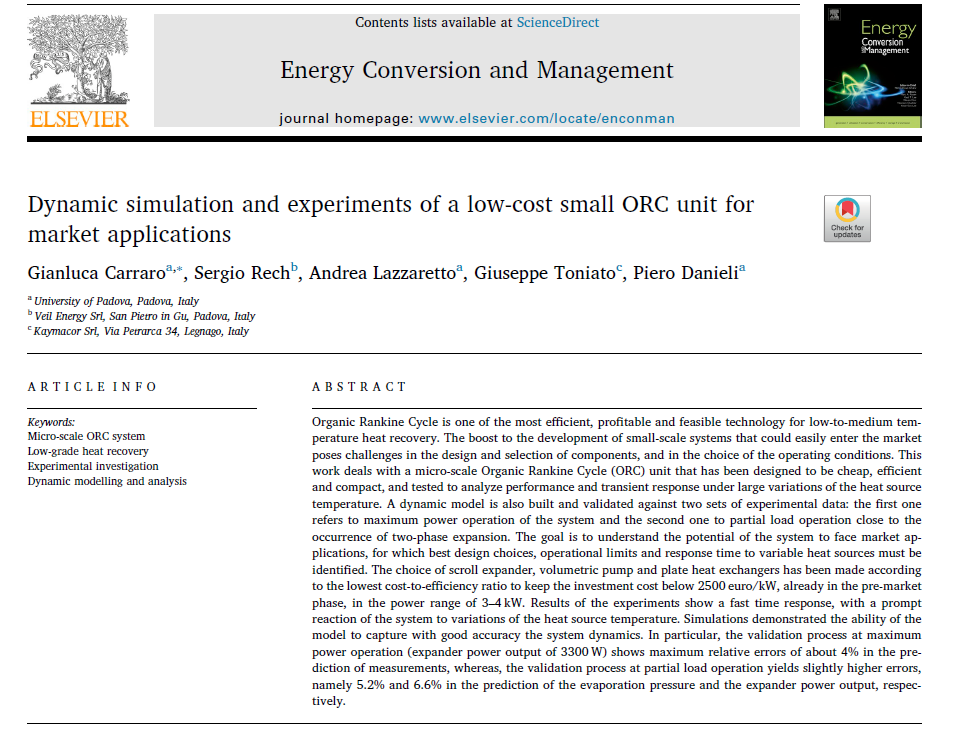
Dymanic simulation and experiments of a low cost small ORC unit for market application
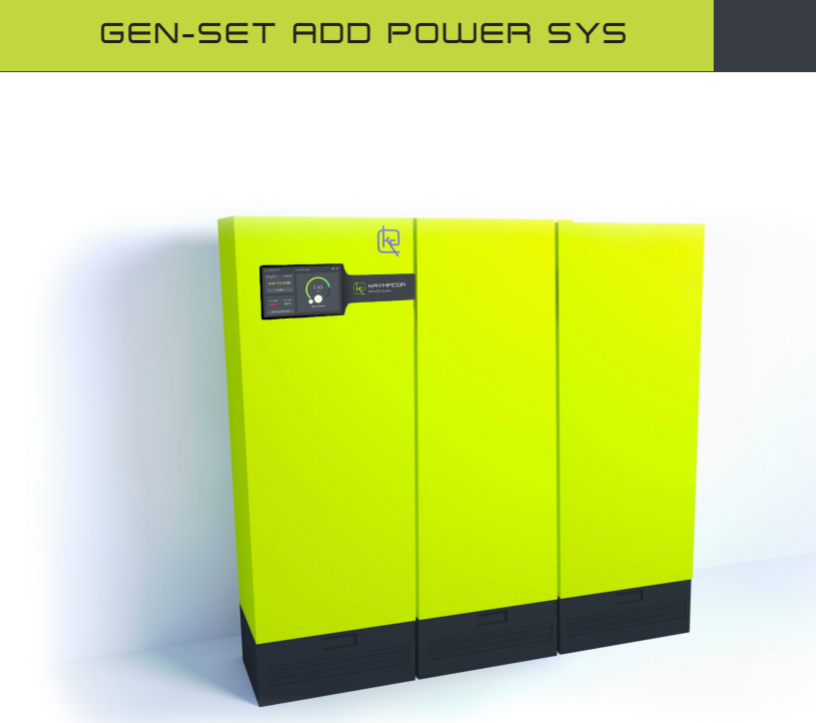
Kaymacor Gen-Set System produces electricity recovering heat from exhaust gases and the engine cooling water
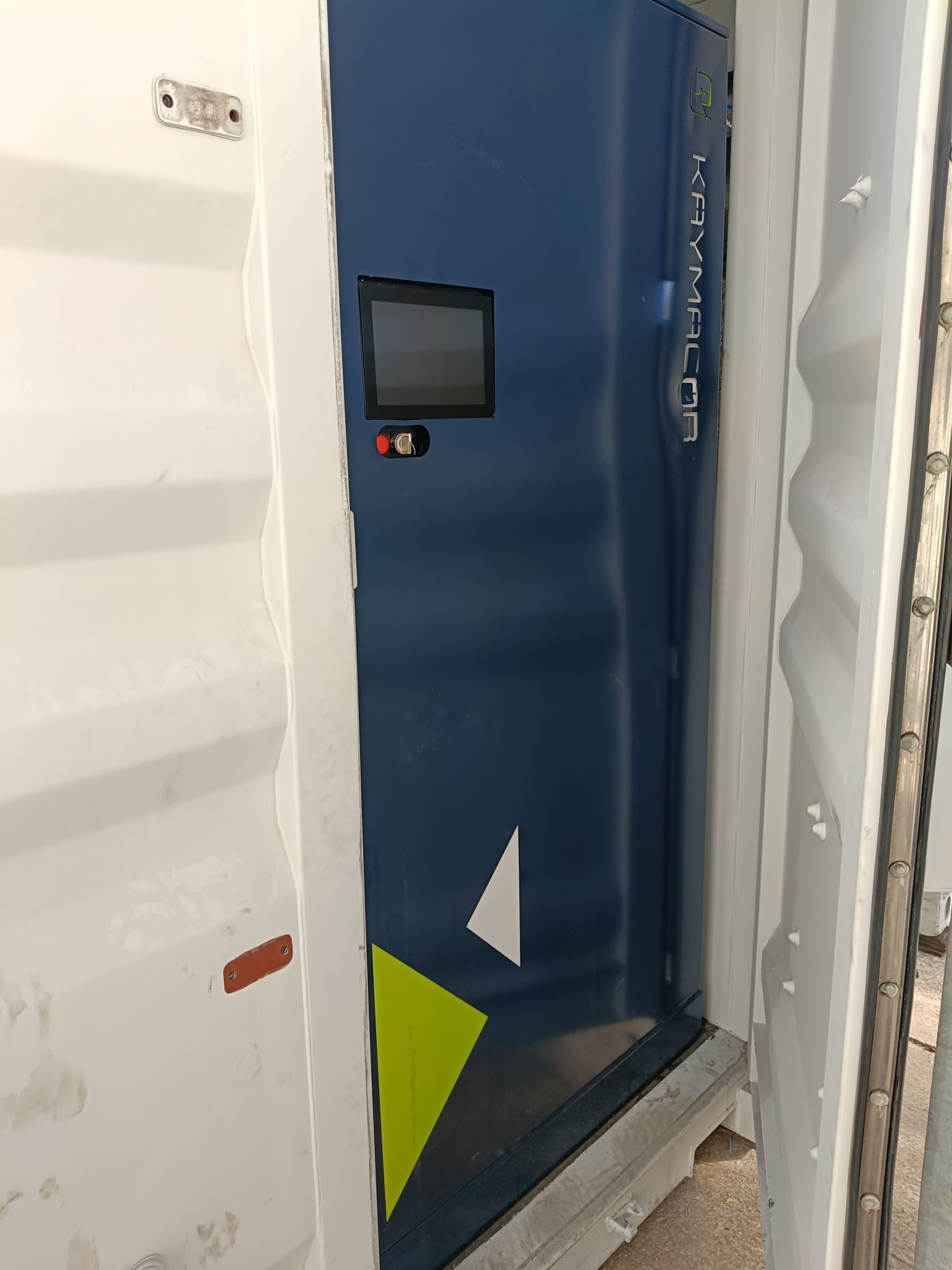
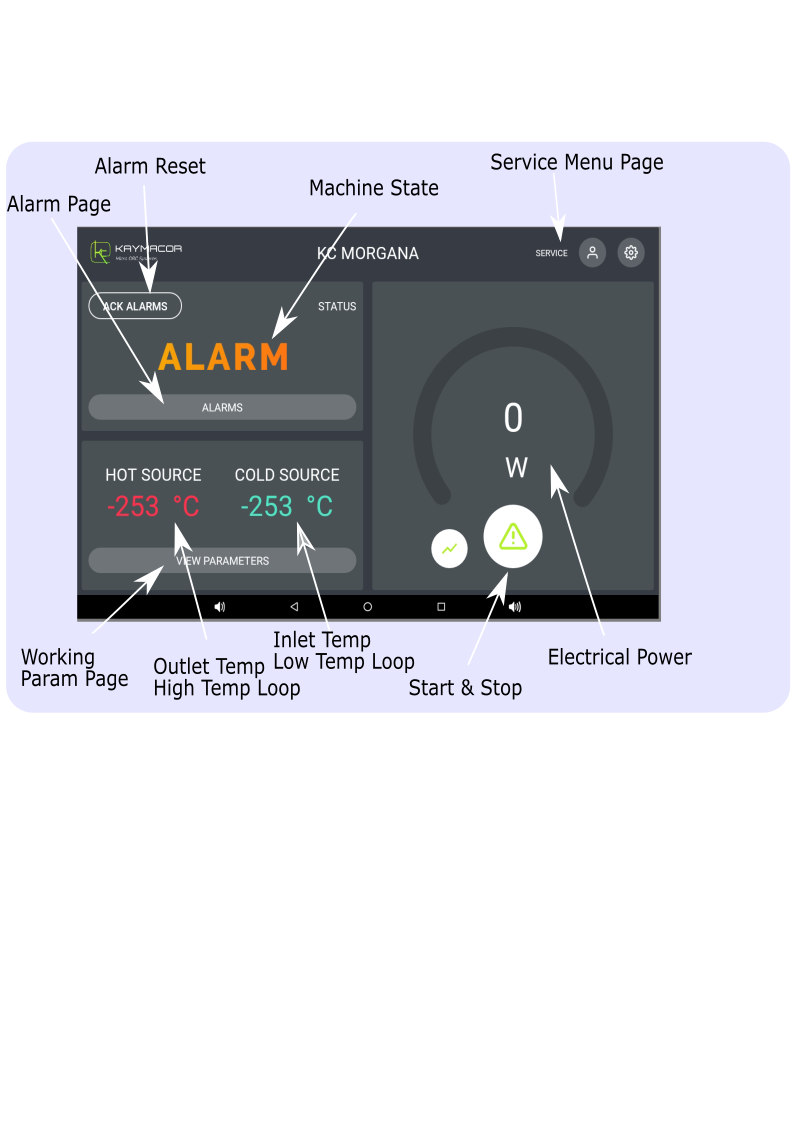
ORChidea Platform is set up with a new 10.1 "touch screen
The Cloud platform for monitoring all Machines in field is released.
A 3KWel is tested at CNR Napli for recovering heat from marine engine radiator
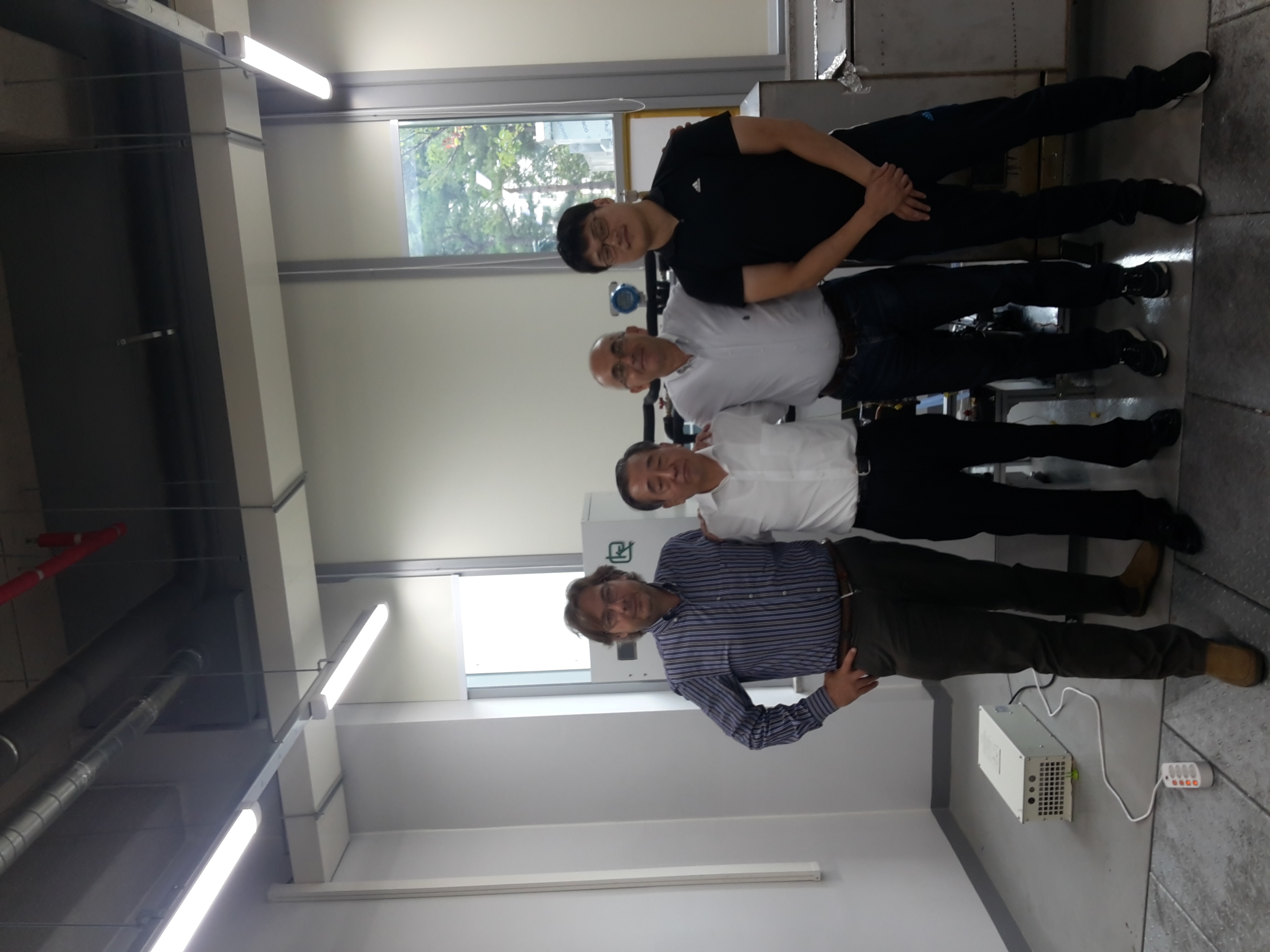
ORChidea 5MT is installed at UNIST laboratories in South Korea and supplies a biomass boiler.
ORChidea Platform till 100 kWel is conceived at KAYACOR engineering Dept.
KAYMACOR gets nationaol founding for developing ORC in agrifood sectors and national founding for developing CASSINI solar panel.
Kaymcor ORC 4kW is installed at the new laboratories of EURAC in Bolzano.
At ATI Congress in Turin an article about the ORC integration with thermal solar at medium temperature is presented.
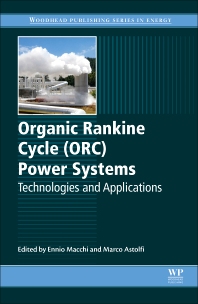
The book: Organic Rankine Cycle Power Systems - Technologies and Applications is published
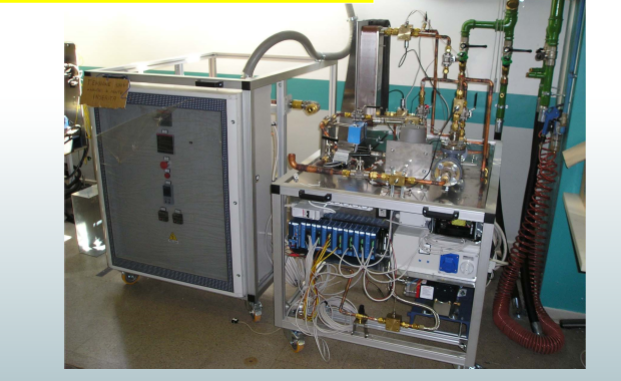
The first prototype producing 4kW electricity is realized.
Kaymcor ORC 2kW is installed in the laboratories of a ESCO in Milan.
A patent is applied related to" Procedure for the managemet of the optimized stop of an Organic rankine Cycle Plant
For PIACE Project funded by Industria 2015 Fund is realized a pilot plant at Misericordia Hospital in Florence
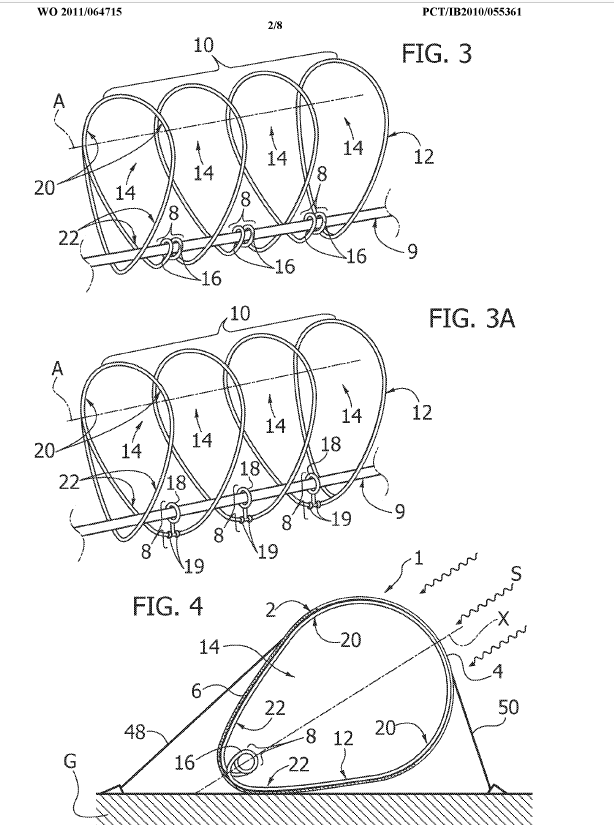
Acquisition of exclusive rights for three patents related to thermal solar energy
The pump made by Kaymacor is integrated at ORC test bench of Fiat Research Center
A patent is applied related to"A reservoir for receiving a condensed working fluid of an Organic rankine Cycle
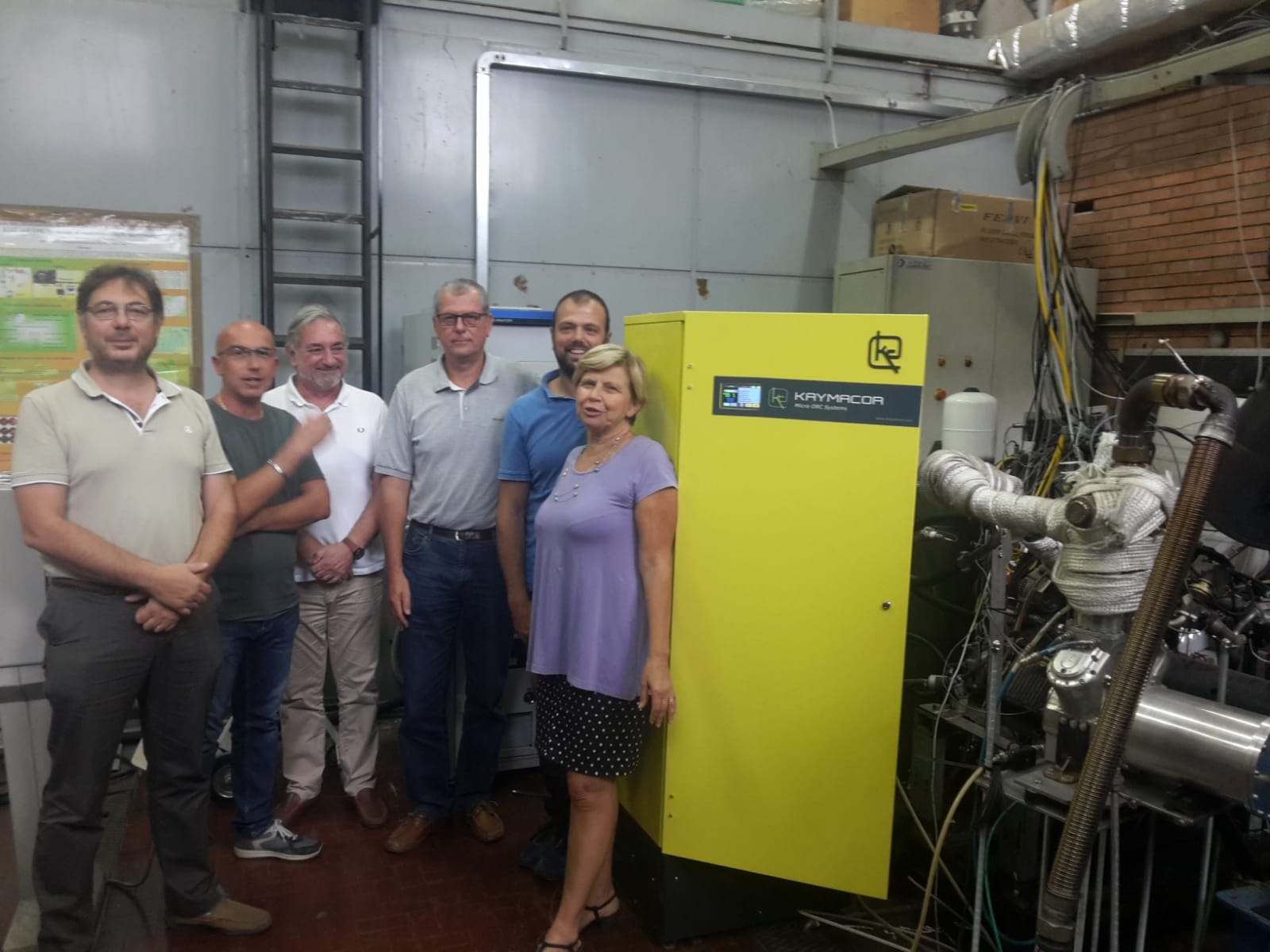
The first installation is realized at Engine Research Center CNR in Naples. The application consists on the integration of ORC with an internal combustion engine .
Kaymacor Trademark is registered at the Office for Harmonisation in internal market
On 15th July 2014 Kaymacor was born and recorded in the special section of the business Register dedicated to innovative startups
Esplora le applicazioni ORC